

Not all furniture is made equal, and for any prospective furniture shoppers it’s important to understand just why some pieces last for decades while others show wear and tear within the first years. Finding quality furniture that lasts isn’t impossible–it just takes a bit of knowledge to know what to look for!
Materials
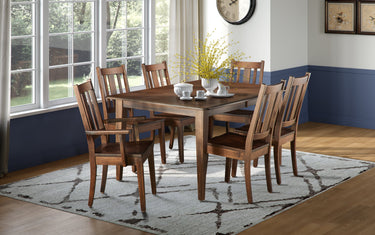
What your furniture is made of is one of the biggest factors in how long-lasting and durable it will be. Solid wood furniture is king for sustainable, strong pieces that will last, without the same risk of peeling or damage that veneered furniture faces–you can read more about the differences between veneer and solid wood furniture here on our blog!

Even among solid wood furniture, you want to go for high-quality wood that has been chosen with care and properly treated. Research your chosen manufacturers to see how they select and handle the wood they use. For example, MAVIN is an Amish furniture company that works with timber from trees grown and selected specifically in-house for use by their manufacturers.
Look for furniture made with classic, quality, locally-sourced hardwoods like oak, cherry, walnut, and maple. They can cost more than cheaper, softer woods such as pine, acacia, and mango wood, or manufactured pieces like particleboard and MDF, but the elegant, natural appearance and durable, timeless quality can’t be replaced.
Construction
Even the best materials require good, solid construction to become long-lasting furniture. Skilled craftsmanship is the basis of all the best furniture, which makes use of techniques such as mortise and tenon joinery and dovetail joints, and takes into account the traits and limitations of each piece.

Proper, traditional craftsmanship takes time and effort, which can be more costly. It can be tempting to look into cheaper, rapidly-produced furniture, but it’s important to understand that these pieces are often made with quantity over quality in mind.
Check for excessive gaps or wobbling on flat surfaces, and look for signs of joinery shortcuts, such as visible glue, staples, or nails–while these aren’t always signs of poorly-made furniture, they can give you a better idea of what to expect over the furniture’s lifetime of use.
Style
 Furniture that lasts for decades doesn’t just mean well-constructed furniture–it can also mean well-designed furniture. Trends come and go, but classic, functional furniture is timeless, and having pieces that last for decades means you want something that won’t look dated before it’s time to replace it!
Traditional furniture that forgoes trendy ornamentation or more unique stylistic choices can be fashionable in its simplicity. Look into classical, historical styles that are still being produced today, such as Shaker furniture or Mission style furniture, popular among Amish furniture manufacturers.
Purpose
Understanding the purpose behind your furniture can help you choose a piece that will last for much longer. Some furniture is designed to be entry-level, for people furnishing their first home on a budget, and some is designed to last for decades. Look into manufacturers and how they market their furniture–are they focusing on trendy appeal, or long-lasting craftsmanship?
Big-name, broad-appeal furniture companies aren’t always dedicated to creating furniture that will never need to be replaced. Instead, consider looking into more local companies and craftsmen. Local artisans and Amish manufacturers are better known for crafting furniture as long-lasting heirloom pieces to be cared for and cherished, as generations before have done.
Care
At the end of the day, the one thing that makes furniture last longer is care. Well-cared for furniture can outlive furniture that is treated poorly by years and years–by listening to manufacturer instructions and doing your research, you can ensure your furniture lasts for much longer!

Be mindful of what cleaning materials you can safely use, and look into the sport of treatments that may violate warranties. Keep up with cleaning and maintenance as needed, and try to account for humidity and temperature fluctuations that may affect your furniture. Check for signs of wear and tear that could lead to greater damage, such as cracks, excessive creaking, or warping in wood.
Make sure you use furniture as intended–common mistakes include bringing indoor furniture into outdoor living spaces, sleeping in recliners that aren’t designed to be slept in, and using casual dining tables as workbenches.
Furniture that Lasts
By being informed and aware, anyone can find that perfect “buy it for life” furniture for their home. Timeless, quality heirloom pieces are in reach. Stop by Moore’s furniture today, and we can help you furnish your home for decades to come!

